Water damage mitigation in Valley Village, California that stops the damage fast
Certified crews, thermal imaging, and 24/7 response across the East Valley
Water damage mitigation in Valley Village, California starts with a fast, measured response: we find the source, extract standing water, and dry the structure before mold takes hold. Whether a pipe burst behind a bathroom wall or a slab leak soaked your hallway, our IICRC-trained technicians arrive with moisture meters, thermal imaging cameras, and truck-mounted extractors. We serve homeowners, renters, and property managers throughout Valley Village and the surrounding East Valley neighborhoods.
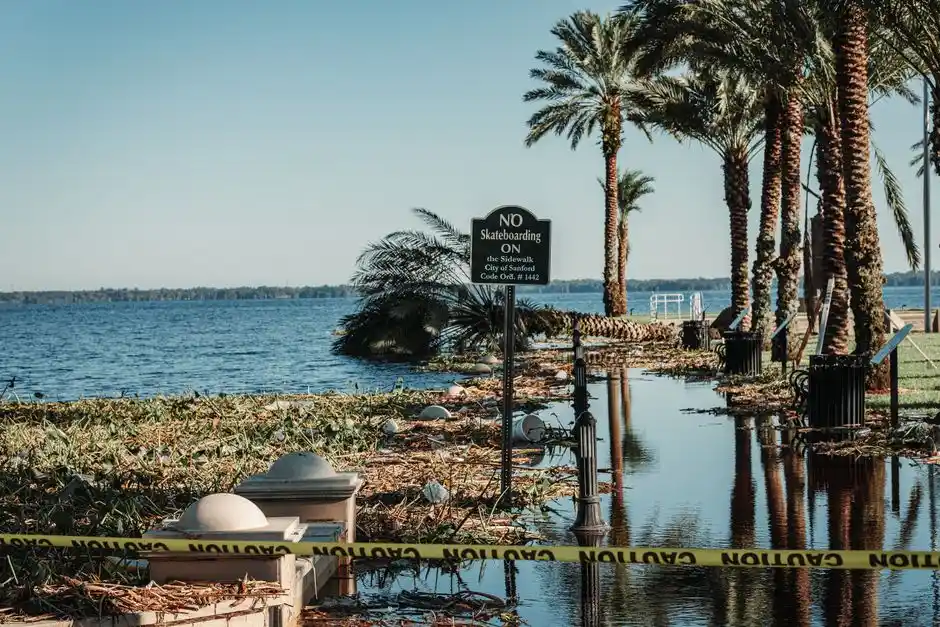
What water damage mitigation in Valley Village, California involves
Water damage mitigation in Valley Village, California is the emergency phase of a water loss: stop the source, remove standing water, and dry the building materials before secondary damage spreads. It is not cosmetic repair. We use moisture meters and thermal imaging cameras to map how far water traveled behind drywall, under wood flooring, and into subflooring. Then we extract with a truck-mounted water extractor, set air movers and dehumidifiers, and monitor daily with a hygrometer until the structure reads dry against the ANSI/IICRC S500 standard.
Most Valley Village calls we take fall into a handful of patterns: a pipe burst in a 1950s ranch home, a water heater failure in a condo off Riverside Drive, a slab leak under tile, or a washing machine leak that soaked a hallway overnight. Because so much of the local housing stock is older, supply line failure and root intrusion are common. If you need water mitigation services Valley Village homeowners can call at 2 a.m., we answer, dispatch, and start drying the same night.
Why fast mitigation protects your home and your wallet
Every hour water sits, the damage gets more expensive. These are the outcomes our Valley Village customers care about most.
Mold stopped early
Mold growth after water damage can begin within 24 to 48 hours in warm, humid conditions. By extracting and drying immediately, we remove the moisture mold needs before it colonizes drywall, baseboard, and subflooring. Customers who call us the same day often avoid remediation entirely, saving thousands compared to a full mold job.
Insurance-ready documentation
We photograph affected areas, log moisture readings, and build an Xactimate-compatible scope your adjuster can process quickly. That documentation is the difference between a claim approved in days and one that drags for weeks. We work directly with most major carriers and can bill the covered portion of the work.
Structural drying done right
Drying is a science, not a fan in the corner. We calculate how many air movers and dehumidifiers a space needs based on square footage, material type, and humidity, then verify with daily hygrometer readings. That is how we protect wood flooring, subflooring, and framing from warping, cupping, and long-term rot.
24/7 water damage mitigation Valley Village
Water does not wait for business hours, so neither do we. Our line is staffed around the clock, and we dispatch crews across Valley Village, North Hollywood, and Studio City every day of the year. Night calls get the same equipment and the same certified technicians as a weekday morning job.
Our water damage mitigation process, step by step
From the first phone call to the final moisture reading, here is exactly what working with us looks like.
Emergency call
You call (833) 321-7153 and speak with a real person, not a voicemail. We ask what happened, where the water is coming from, and whether the power is safe. Within minutes we have a crew assigned and heading your way, usually arriving in 45 to 90 minutes depending on traffic and location.
Inspection and mapping
On arrival, we walk the property with a moisture meter, thermal imaging camera, and bore scope camera to find hidden saturation behind walls and under floors. We photograph everything and mark the boundaries of the affected area. This inspection typically takes 30 to 60 minutes and sets the entire drying plan.
Water extraction
Standing water comes out first. We use a truck-mounted water extractor for large volumes and a portable water extraction unit for tight spaces like closets and under cabinets. Extraction usually takes one to three hours depending on how much water is present and how far it has spread.
Drying and monitoring
We place air movers and dehumidifiers sized to the space, then check readings daily with a hygrometer. Most residential jobs dry in three to five days. We adjust equipment placement as materials dry and remove gear only when readings confirm the structure is back to normal moisture levels.
Final walkthrough
When drying is complete, we do a final inspection with the moisture meter, document the results, and walk you through what we found. You get a written summary and photos for your insurance file. If repairs like drywall or paint are needed, we explain the next step before we pack up.
Certified water damage expertise in the East Valley
We have been mitigating water damage in Valley Village since 2022, and our technicians hold IICRC credentials including WRT (Water Damage Restoration), ASD (Applied Structural Drying), and AMRT (Applied Microbial Remediation). That training matters when a job involves sewage backup or suspected mold, where the wrong move can spread contamination. We follow ANSI/IICRC S500 for water losses and S520 for mold work, and we document every job to those standards so your insurance claim holds up. Our crews also carry OSHA 10 and OSHA 30 training and work under a California State License Board (CSLB) C-61/D-38 license.
- IICRC WRT and ASD certified technicians on every water mitigation crew
- ANSI/IICRC S500 drying standards followed and documented on each job
- OSHA 10 and OSHA 30 trained crews for safe containment and demolition
- CSLB C-61/D-38 licensed and insured for work in Valley Village
- Xactimate-compatible documentation prepared for every insurance claim
Why Valley Village homeowners call us for water damage mitigation
Plenty of companies will pump water out of your house. Fewer will dry it correctly, document it for your insurer, and answer the phone at midnight. Here is what sets our water damage mitigation in Valley Village, California apart.
Answering 24/7
Our phone line is staffed every hour of every day, including holidays. When you call at 3 a.m. about a burst supply line, a live person picks up and a crew is dispatched. We do not route emergencies to voicemail or promise a callback in the morning.
Certified, not just equipped
Every lead technician holds IICRC WRT and ASD certifications, which means they understand psychrometrics, not just how to plug in a fan. That knowledge is why our drying logs hold up with adjusters and why we rarely need to return for a second round of drying.
Insurance documentation that works
We build Xactimate-compatible scopes, photograph affected materials, and log daily moisture readings. Adjusters get a clear, itemized picture of the loss. Many of our Valley Village customers tell us the claim moved faster because the paperwork was already organized.
Local, not a franchise call center
We are based in the East Valley and know the housing stock here, from 1940s ranches to newer condos. If you search for affordable water damage mitigation services Valley Village, you get a local crew that knows the neighborhoods, the plumbing quirks, and the drive times.
What our water damage mitigation includes
Every mitigation job starts with the same core scope: find the source, stop it, extract the water, and dry the structure to a verified standard. What changes is the size of the affected area and the materials involved. Here is what is built into a standard job, and what we handle as an add-on when the loss calls for it.
What's Included
Source identification
We locate where the water is coming from using a moisture meter, thermal imaging camera, and bore scope camera. Finding the true source matters because water often travels far from the visible leak, and drying the wrong area leaves hidden moisture behind.
Water extraction and removal
Standing water is removed with a truck-mounted water extractor or a portable unit for tight spaces. We extract from carpet, hard flooring, and low spots, then check with a moisture meter to confirm no standing water remains before drying begins.
Structural drying setup
We place air movers and dehumidifiers sized to the affected square footage and material types. Equipment runs continuously, and we return daily to check readings with a hygrometer and adjust placement as the structure dries toward normal moisture levels.
Antimicrobial treatment
Where water has been sitting or the loss involves contamination, we apply antimicrobial solution to affected surfaces. For sewage-related losses we use Fiberlock or Benefect products and set up containment with plastic sheeting and zip wall barriers to keep the rest of the home clean.
Moisture monitoring and documentation
Daily moisture logs, photos, and a written drying report go into your file. We follow ANSI/IICRC S500 and build the scope in Xactimate format so your adjuster has what they need to process the claim without chasing us for paperwork.
Final verification
We do not pull equipment until readings confirm the structure is dry. At the final walkthrough we show you the numbers, walk the affected rooms with you, and explain any repair work that remains, such as drywall, baseboard, paint and primer, or flooring.
Water damage problems we solve in Valley Village
Most of the calls we take in Valley Village come down to a handful of failures. Each one has a different urgency level and a different drying plan, and each one gets worse the longer it sits.
Pipe burst behind a wall or under a slab
Water spreads through wall cavities and under flooring, saturating insulation and subflooring within hours. Left alone, it warps wood flooring and creates ideal conditions for mold growth after water damage.
We locate the break with thermal imaging, isolate the affected zone, extract standing water, and dry the wall cavities and subflooring. If a slab leak is involved, we coordinate the plumbing repair and dry the surrounding area to prevent further damage.
Water heater failure flooding a closet or hallway
A failed tank can release 40 to 80 gallons quickly, soaking baseboard, drywall, and carpet. The water is usually clean, but the volume is enough to reach adjoining rooms and the unit below in multi-story buildings.
We shut down the water, extract the standing volume, and set drying equipment sized for the square footage affected. In condos and multi-unit buildings we coordinate with neighbors and property management so the unit below is checked and dried too.
Sewage backup from a toilet overflow or main line
Category 3 water carries bacteria and pathogens. Anything it touches, including drywall, baseboard, and carpet, is contaminated and usually has to be removed rather than dried in place.
We contain the area with plastic sheeting and zip wall barriers, remove contaminated materials, treat surfaces with antimicrobial solution, and clear the air with negative air machines and HEPA vacuuming before drying the structure.
Roof or ceiling leak from winter storms
Water tracks along joists and drips far from the entry point, staining ceilings and soaking insulation. By the time a stain appears, the leak has often been active for days or weeks.
We trace the leak with a moisture meter and inspection camera, dry the ceiling cavity and insulation, and document the affected area for your insurance claim. If mold is present, we handle remediation under ANSI/IICRC S520.
When to call for water damage mitigation
You come home to standing water in the kitchen from a dishwasher leak that ran all day.
We extract the standing water, pull the dishwasher to check the cabinet base, and dry the subflooring and any adjoining flooring. If the cabinet box is saturated, we dry it in place with directed airflow rather than tearing it out unnecessarily.
The kitchen is dry in three to four days, and the cabinet and flooring are saved instead of replaced.
A pipe bursts in the wall of a 1950s Valley Village ranch home during a cold snap.
We shut off the water, open the wall to release trapped moisture, extract from the floor below, and dry the wall cavity and subflooring with air movers and a dehumidifier. Thermal imaging confirms how far the water traveled before we close anything up.
The wall cavity dries to normal readings in four days, and the repair scope is documented for insurance.
Your water heater fails overnight and floods the garage and laundry room.
We extract the standing water, remove saturated baseboard, and set drying equipment for both rooms. We check the adjoining hallway with a moisture meter to confirm the water did not wick under the wall plate.
Both rooms dry in three days, and the baseboard is replaced during the rebuild phase.
A toilet overflows upstairs and water drips through the ceiling of the room below.
We treat it as a Category 3 loss if sewage is involved, contain the area, remove contaminated ceiling material, and dry the joists and subfloor above. Negative air machines keep the rest of the house out of the contamination zone.
The ceiling cavity is dry and disinfected in four to five days, ready for new drywall and paint.
Tools and methods we use for mitigation
Tools & Equipment
Thermal imaging camera
Reveals temperature differences that indicate hidden moisture behind drywall, under flooring, and inside ceiling cavities without tearing the house apart.
Moisture meter and hygrometer
Measures moisture content in building materials and relative humidity in the air. We use both to set drying goals and verify when the structure is actually dry.
Truck-mounted water extractor
Removes large volumes of standing water fast. It is the workhorse for flooded rooms, basements, and any loss involving more than a few gallons.
Portable water extraction unit
Reaches tight spaces a truck mount cannot, including under cabinets, inside closets, and in upper-floor rooms far from the truck.
Air movers and dehumidifiers
Dri-Eaz and Phoenix Restoration Equipment units that circulate air and pull moisture out of the environment. We size the count to the room, not to a guess.
Bore scope and inspection camera
Lets us look inside wall cavities and under floors to confirm where water traveled and whether hidden damage or mold is present.
HEPA vacuum and negative air machine
Captures fine particles and creates pressure differentials during mold and sewage work so contamination does not spread to clean areas of the home.
Methods
ANSI/IICRC S500 drying standard
The industry standard for water damage remediation. It guides how we classify the water, set drying goals, and document the job. Following it is why our drying logs hold up with insurance adjusters and why we rarely need a second round of drying.
Thermal imaging moisture mapping
We scan walls, floors, and ceilings with a thermal imaging camera to find the true boundaries of the affected area. This prevents both under-drying, which leads to mold, and over-demolition, which drives up your repair cost.
Containment and negative air
For sewage and mold jobs, we build containment with plastic sheeting and zip wall barriers and run negative air machines to keep contaminants out of clean spaces. HEPA vacuuming follows before we remove the containment.
Antimicrobial application
We treat affected surfaces with antimicrobial solution, using Fiberlock or Benefect products depending on the loss. This step addresses bacteria and mold spores that survive drying and helps prevent regrowth.
Xactimate documentation
We build the scope in Xactimate format, the same platform most carriers use, and pair it with photos and daily moisture logs. That consistency is what keeps a claim moving instead of bouncing back for more information.
How water damage mitigation runs in Valley Village
Valley Village sits in the East San Fernando Valley, where summers are hot and dry and winters bring the occasional heavy rain event. That swing matters for water damage. During the rainy months, roof leaks and foundation leaks show up fast, and water finds its way into crawl spaces and garages. In summer, the opposite problem appears: irrigation line failures, slab leaks, and supply line failures that go unnoticed because the ground dries quickly on the surface while moisture sits under the slab. Much of the housing stock here was built between the 1940s and 1960s, with original galvanized supply lines that corrode from the inside and copper lines that develop pinhole leaks. We also see root intrusion in older sewer laterals, which can back up into a laundry room or bathroom. When you call for water damage control Valley Village, we bring the equipment and the local knowledge to match. If you need same-day water damage mitigation Valley Village California homeowners can rely on, we dispatch from the East Valley and know the drive times, the permit requirements under California code, and the drying challenges that come with older construction.
Service Areas
Many homes here have mature trees whose roots intrude into older sewer laterals, a common cause of backups we mitigate.
Larger ranch homes with original plumbing. Slab leaks and supply line failures are frequent calls in this pocket.
A mix of single-family homes and small multi-unit buildings. Water heater failures in shared utility closets are common.
Older homes with crawl spaces that hold moisture after winter storms, making crawl space drying a regular part of the job.
Local Considerations
Hot, dry summers with heavy winter rain events
Roof and foundation leaks cluster in winter, while slab leaks and irrigation failures surface in summer when the ground dries and cracks. We adjust equipment and drying plans to the season.
Housing stock built mostly between 1940 and 1970
Galvanized and early copper supply lines fail more often, and wall cavities in older construction hold moisture longer. We extend drying times and monitor more frequently on these homes.
Mature trees and root intrusion in sewer laterals
Root intrusion causes sewage backups that require Category 3 containment, material removal, and disinfection rather than simple drying.
Slab-on-grade construction in many Valley Village homes
Slab leaks are harder to locate and dry because water travels under the slab. Thermal imaging and bore scope inspection are essential to map the spread before we set equipment.
Kitchen supply line failure, Valley Village
A supply line under the kitchen sink failed overnight and released water across the kitchen floor and into the hallway. Carpet in the hallway was saturated, and the cabinet base was wet. The homeowner called at 7 a.m. and a crew arrived by 8:15.
We extracted 12 gallons of standing water, removed the wet carpet pad, and set four air movers and one dehumidifier. Moisture readings returned to normal in three days. The cabinet base dried in place, and only the pad needed replacement.
Maintenance & Follow-up
Replace flexible supply lines every five to seven years and check under the sink monthly for slow drips. A $15 braided line is cheaper than a mitigation job.
Water was wicking up through the grout in a hallway and the adjacent bathroom. The homeowner noticed warm spots on the tile and a rising water bill. Thermal imaging confirmed a slab leak traveling under about 120 square feet of flooring.
We isolated the affected zone, extracted what water we could reach, and dried the slab and surrounding materials over four days. The plumbing repair was completed by a licensed plumber, and the tile was reset without replacing the entire hallway.
Maintenance & Follow-up
Watch your water bill for unexplained increases and check for warm spots on floors. Early detection on a slab leak can save thousands in flooring replacement.
A root intrusion in the main lateral caused a backup that released Category 3 water into a laundry room and adjoining hallway. About 80 square feet of drywall and baseboard were contaminated, and the room smelled strongly of sewage.
We contained the area with plastic sheeting and zip wall barriers, removed the contaminated drywall and baseboard, treated framing with antimicrobial solution, and ran a negative air machine for 24 hours. Drying completed in four days with no odor remaining.
Maintenance & Follow-up
Have sewer laterals scoped every two to three years if you have mature trees on the property. Root intrusion is progressive and cheaper to catch early.
How much does water damage mitigation cost in Valley Village California?
Most residential mitigation jobs in Valley Village run $1,200 to $3,500 in 2026, depending on how much water was released and how many rooms are affected. A small bathroom supply line leak might land near the low end, while a slab leak that soaked multiple rooms pushes higher. Extraction, equipment, and monitoring are the main cost drivers. If the loss is covered, your insurance usually pays most of it after your deductible.
What is the difference between water damage mitigation and restoration in Valley Village?
Mitigation is the emergency phase: stopping the source, extracting water, and drying the structure to prevent further damage. Restoration is what comes after, replacing drywall, flooring, baseboard, and paint so the home looks and functions like it did before. Many companies do both. We handle mitigation and can manage the rebuild through the same project so you are not coordinating two contractors.
Do you offer 24/7 water damage mitigation near me in Valley Village California?
Yes. We answer calls 24 hours a day, seven days a week, including holidays, and dispatch crews across Valley Village, North Hollywood, Studio City, and Sherman Oaks. Night calls get the same certified technicians and the same truck-mounted extraction equipment as daytime jobs. Most Valley Village addresses see a crew within 45 to 90 minutes of the call.
Does insurance cover water damage mitigation in Valley Village California?
In most cases, yes, if the loss came from a sudden event like a pipe burst, supply line failure, or water heater failure. Standard homeowners policies typically cover the mitigation and drying, though they may exclude long-term seepage or neglected maintenance. We document the loss with photos, moisture logs, and an Xactimate-compatible scope to support your claim, and we can bill your carrier directly.
Licensed, certified, and accountable
Certifications
Reviews
Called at 11 p.m. about a burst pipe and a real person answered. Crew was at our Valley Village house in under an hour, extracted the water, and set drying equipment. Daily moisture readings were posted for our insurance. No mold, no drama.
They handled a sewage backup in our laundry room with proper containment and disinfection. It was not a pleasant job and they treated it professionally from start to finish. The smell was gone by day two and the drying was verified before they left.
Slab leak in our hallway. They used thermal imaging to find it and dried the area without tearing up more flooring than necessary. Honest pricing, clear documentation, and they coordinated with our plumber. Would use again.
Water heater failed and flooded two rooms. The crew was organized, explained each step, and finished drying in four days. The Xactimate scope matched what the adjuster approved, which made the claim painless.
Related Services
flood restoration services
When a storm drain backs up or a hillside sends water into a garage, flood restoration services pick up where mitigation ends. We extract, dry, and rebuild the affected areas in Valley Village so the structure is safe and insurable again.
flood restoration servicesemergency water removal
Emergency water removal is the first move in any mitigation job. We pull standing water from floors, crawl spaces, and basements with truck-mounted extractors, typically within hours of your call, so secondary damage does not get a head start.
emergency water removalmold remediation after water damage
If water sat too long, mold remediation after water damage removes contaminated drywall, treats framing with antimicrobial solution, and clears the air with HEPA filtration. We follow ANSI/IICRC S520 so the job is documented and defensible.
mold remediation after water damagewater leak restoration
Water leak restoration covers the repair and rebuild after a hidden leak is found. We handle slab leaks, supply line failures, and roof leaks in Valley Village, then restore drywall, flooring, and paint so the home is whole again.
water leak restorationemergency water cleanup
Emergency water cleanup is for the mess water leaves behind: soaked carpet, wet baseboard, and standing water in low spots. We clean, disinfect, and dry the area, then verify with a moisture meter before we call it done.
emergency water cleanupwater extraction
Water extraction removes the bulk of the water fast. We use a truck-mounted water extractor for large losses and a portable water extraction unit for tight spaces. Fast extraction is the single biggest factor in whether a Valley Village home dries in three days or ten.
water extractiontoilet overflow cleanup
A toilet overflow can release Category 3 water, which requires containment and disinfection, not just a mop. We extract, treat with antimicrobial solution, and dry the bathroom and any adjoining rooms in Valley Village to prevent sewage-related contamination.
toilet overflow cleanupbasement flood cleanup
Basement flood cleanup in Valley Village often follows sump pump failure or a foundation leak. We pump out standing water, remove saturated materials, and dry the space with air movers and dehumidifiers sized for below-grade humidity.
basement flood cleanupwater damage restoration near me
If you are searching for water damage restoration near me, we cover Valley Village and the surrounding East Valley. One call gets you mitigation, drying, and a documented scope your insurance adjuster can process without back-and-forth.
water damage restoration near mewater cleanup services
Our water cleanup services cover extraction, disinfection, deodorization, and drying in one coordinated job. We treat affected surfaces with Benefect or Concrobium where needed and verify dryness with a hygrometer before we remove equipment.
water cleanup services24-hour water restoration near me
24-hour water restoration near me means a real person answers and a crew rolls, day or night. We staff the line around the clock for Valley Village and nearby neighborhoods, so a 2 a.m. pipe burst does not wait until morning.
24-hour water restoration near mewater extraction company
As a dedicated water extraction company, we invest in the equipment that moves water fast: truck-mounted extractors, portable units, and weighted extraction tools for carpet. That gear is why our Valley Village jobs dry on schedule.
water extraction companyrapid water extraction
Rapid water extraction is about speed and coverage. We map the water with thermal imaging, extract from every affected room, and confirm with a moisture meter that no hidden pockets remain before we set drying equipment.
rapid water extractionkitchen water damage repair
Kitchen water damage repair handles the dishwasher leaks, supply line failures, and sink overflows that soak cabinets and subflooring. We extract, dry, and repair the affected area so your kitchen is usable again quickly.
kitchen water damage repairceiling water damage repair
Ceiling water damage repair starts with finding the source, often a roof leak or an upstairs supply line. We stop the water, dry the ceiling cavity, and repair the drywall and paint so the stain does not come back.
ceiling water damage repairsewage cleanup
Sewage cleanup is Category 3 work and requires containment, PPE, and disinfection. We remove contaminated materials, treat surfaces with antimicrobial solution, and clear the air with negative air machines and HEPA vacuuming.
sewage cleanupcrawl space mold removal
Crawl space mold removal addresses the dark, humid spaces under Valley Village homes where mold thrives after a leak. We contain the area, remove affected material, treat with Concrobium, and correct the moisture source.
crawl space mold removalattic mold remediation
Attic mold remediation follows roof leaks and poor ventilation. We inspect with a bore scope camera, remove contaminated insulation and sheathing, treat the framing, and restore airflow so the problem does not return.
attic mold remediationwater damage remediation after fire
Water damage remediation after fire handles the water left behind by firefighting. We extract, dry, and deodorize with ozone generators and HEPA filtration, then coordinate with your fire restoration team so the rebuild stays on schedule.
water damage remediation after fireGet water damage mitigation in Valley Village, California now
Every hour counts when water is inside your walls. Call (833) 321-7153 and a certified crew will be dispatched to your Valley Village address, day or night. We extract, dry, and document the loss so your insurance claim moves forward without delay.