Crawl space mold removal in Valley Village, California
We find the moisture, kill the mold, and keep it from coming back.
crawl space mold removal in Valley Village, California is what we do when damp crawl spaces start growing mold after a slab leak, pipe burst, or heavy winter rain. If your floors feel soft, your house smells musty, or you have seen dark staining on joists, we inspect, treat, and dry the space so the mold does not return. We work on older Valley Village homes and newer builds alike.
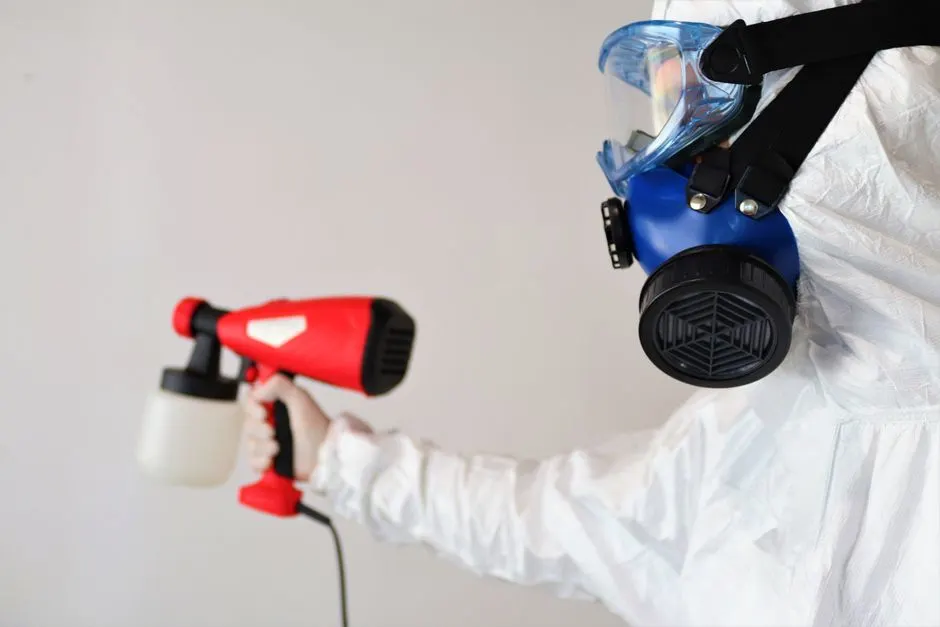
What crawl space mold removal in Valley Village, California involves
crawl space mold removal in Valley Village, California is a moisture-control and remediation service that removes mold growth from joists, subflooring, insulation, and foundation walls, then dries and treats the space so spores cannot rebound. We start with a moisture meter and thermal imaging camera to map wet zones, then use a bore scope camera to check inside wall cavities and under subflooring. Mold needs water, so finding the source is step one. We extract standing water with a portable water extraction unit, set Dri-Eaz dehumidifiers and B-Air air movers, and HEPA vacuum the affected wood before applying Fiberlock or Concrobium antimicrobial.
Valley Village sits on a mix of 1920s bungalows, post-war ranches, and newer infill homes, and many have original crawl spaces with minimal ventilation. A slab leak, supply line failure, or water heater failure can push moisture into the subfloor for weeks before you notice. That is why we treat crawl space mold remediation Valley Village calls as both a cleanup and a prevention job. We also handle crawl space mold remediation after water damage Valley Village, because mold often shows up two to three weeks after a leak has been repaired.
Why homeowners call us for crawl space mold
Mold in a crawl space does not stay in the crawl space. It moves into living areas through the stack effect, and it weakens the wood that holds your floors up. Here is what our work changes.
Healthier indoor air
A HEPA vacuum and negative air machine pull mold spores out of the crawl space instead of letting them drift into your kitchen and bedrooms. Most customers tell us the musty smell is gone within 24 to 48 hours after treatment, and air quality stays better when the space is dried to below 15 percent wood moisture content.
Stronger floor structure
Mold eats the cellulose in wood, and subflooring and joists lose strength fast when moisture stays above 20 percent. We treat and dry the framing so your floors stop feeling spongy. If rot has already started, we document it with photos and moisture readings so you know exactly what needs repair.
Lower repeat-mold risk
Killing mold without fixing moisture is a temporary fix. We correct grading, repair foundation leaks, and recommend encapsulation or added ventilation. Our crawl space mold removal with encapsulation Valley Village California clients choose most often includes a 20-mil vapor barrier that keeps ground moisture out year-round.
Cleaner inspection reports
If you are selling or refinancing, a crawl space mold problem can stall a deal. We provide documentation with moisture readings, photos, and product data sheets so your real estate agent, buyer, or lender can see the work was done to IICRC S520 standards. That paperwork often saves a second inspection fee.
How our crawl space mold removal process works
Every job follows the same five steps, from the first phone call to the final moisture reading. You get a written scope before we start, and we walk the space with you when we finish.
Inspection and testing
We arrive with a moisture meter, hygrometer, and thermal imaging camera to find wet wood, insulation, and foundation walls. A bore scope camera checks inside wall cavities and under subflooring. This usually takes 45 to 90 minutes, and we show you the readings on site so you can see where the moisture is.
Containment and air control
We seal the crawl space access with plastic sheeting and zip wall barriers, then set a negative air machine with HEPA filtration. This keeps spores from drifting into your living space while we work. Setup takes about 30 minutes on a typical Valley Village home.
Mold removal and cleaning
Technicians HEPA vacuum the joists, subflooring, and insulation, then remove unsalvageable materials like wet drywall, baseboard, and damaged thermal insulation. We apply Fiberlock or Concrobium antimicrobial to the remaining wood. This step takes four to eight hours depending on square footage and growth.
Drying and dehumidification
We place Dri-Eaz or Phoenix Restoration Equipment dehumidifiers and B-Air air movers to pull moisture out of the framing. Drying usually runs two to four days, and we check readings daily with a moisture meter. We do not remove equipment until wood moisture content is below 15 percent.
Final verification and prevention
We take final moisture readings, photograph the space, and review prevention options with you. That may include a vapor barrier, foundation drainage, or improved ventilation. You get a written summary with before-and-after readings, and we schedule a follow-up check at 30 days.
Crawl space mold experience you can verify
We have been in business since 2022, and in four years we have handled hundreds of crawl space mold jobs across the San Fernando Valley. Our technicians hold IICRC WRT, ASD, AMRT, and FSRT certifications, and we work to ANSI/IICRC S500 and S520 standards on every job. We are licensed through the California State License Board under C-61/D-38, and we carry EPA Lead-Safe Certification for work in pre-1978 homes, which matters in Valley Village where many houses were built in the 1920s through the 1950s.
- IICRC AMRT-certified technicians who specialize in mold remediation, not just water cleanup.
- EPA Lead-Safe Certification for pre-1978 homes common in Valley Village and North Hollywood.
- We document every job with moisture readings, photos, and product data sheets.
- CSLB C-61/D-38 licensed, with OSHA 10 and OSHA 30 trained crews on site.
- Direct insurance billing and Xactimate estimates for covered water damage claims.
Why Valley Village homeowners choose our crawl space mold removal
We are local, we are licensed, and we fix the moisture problem instead of just spraying the mold. Here is what sets our crawl space mold removal in Valley Village, California apart from a general handyman.
We find the water source
Mold returns when the moisture source is still active. We trace slab leaks, foundation leaks, roof leaks, and supply line failures with thermal imaging and moisture meters before we treat anything. If we cannot find the source, we tell you and recommend a licensed plumber or roofer rather than guessing.
Certified mold protocols
We follow ANSI/IICRC S520 for mold and ANSI/IICRC S500 for water damage. That means containment, negative air, HEPA vacuuming, and documented drying. Our technicians hold IICRC AMRT and WRT certifications, and we use Fiberlock and Concrobium products with manufacturer data sheets on file.
Encapsulation that lasts
For long-term control, we install 20-mil vapor barriers and seal foundation vents where code allows. Crawl space mold treatment Valley Village homeowners choose most often combines remediation with encapsulation because it cuts ground moisture vapor by up to 90 percent and keeps wood dry through the rainy season.
Clear pricing, no surprises
You get a written scope with a price range before we start. Most crawl space mold removal jobs in Valley Village run $1,800 to $6,500 in 2026 depending on square footage, mold spread, and whether encapsulation is added. We bill insurance directly when the loss is covered.
What our crawl space mold removal includes
Every crawl space mold removal in Valley Village, California starts with a full inspection and ends with a written verification report. The scope below covers standard remediation. Encapsulation, foundation repairs, and plumbing repairs are quoted separately if needed.
What's Included
Full moisture inspection
We use a moisture meter, hygrometer, thermal imaging camera, and bore scope camera to map wet areas and hidden mold growth. You get a written summary with photos and readings, usually within 24 hours of the inspection.
Containment and HEPA filtration
We seal the crawl space access with plastic sheeting and zip wall barriers, then run a negative air machine with HEPA filtration. This keeps spores out of your living space during removal and cleaning.
Mold removal and antimicrobial treatment
Technicians HEPA vacuum joists, subflooring, and framing, remove unsalvageable materials, and apply Fiberlock or Concrobium antimicrobial. We follow ANSI/IICRC S520 protocols for containment, cleaning, and verification.
Structural drying
We set Dri-Eaz or Phoenix Restoration Equipment dehumidifiers and B-Air air movers to dry the framing. Drying typically runs two to four days, and we check moisture readings daily until wood is below 15 percent.
Final verification report
You receive before-and-after moisture readings, photos, and product data sheets. We walk the space with you at the end, and we schedule a 30-day follow-up check to confirm the mold has not returned.
Crawl space mold problems we solve in Valley Village
Most crawl space mold calls start with one of these four problems. Each one has a different fix, and treating the mold without treating the cause leads to a repeat job within a year.
Musty odors drifting into living areas
Mold spores and microbial volatile compounds move upward through the stack effect, which can trigger allergies, headaches, and complaints from family members or tenants.
We contain the crawl space, HEPA vacuum the mold, and run a negative air machine to pull spores out. After drying and antimicrobial treatment, most customers notice the smell is gone within 24 to 48 hours.
Soft or spongy floors above the crawl space
Wood loses strength when moisture stays above 20 percent, and mold accelerates the decay. Ignoring it can lead to subfloor replacement and joist repair, which costs far more than remediation.
We dry the framing to below 15 percent moisture content and treat the wood with antimicrobial. If rot has started, we document it with photos and readings so you know exactly which boards need repair.
Mold returning after a previous cleanup
If the moisture source was never fixed, mold comes back within months. Common culprits are foundation leaks, poor grading, and disconnected downspouts that push water against the foundation.
We trace the moisture with thermal imaging and a moisture meter, then correct what we can and recommend licensed repairs for the rest. Adding a 20-mil vapor barrier or encapsulation cuts ground moisture vapor by up to 90 percent.
Failed home inspection or stalled real estate deal
A crawl space mold finding can delay escrow, trigger a repair credit request, or kill a sale. Buyers and lenders want documentation that the work was done to a recognized standard.
We provide a written verification report with before-and-after moisture readings, photos, and product data sheets. We work to escrow timelines and follow ANSI/IICRC S520, which most agents and lenders accept without a second inspection.
When Valley Village homeowners call us
A slab leak soaked the subfloor for weeks before anyone noticed, and now the crawl space smells musty.
We inspect with thermal imaging and a moisture meter, extract any standing water, HEPA vacuum the mold, apply antimicrobial, and dry the framing with Dri-Eaz dehumidifiers and B-Air air movers. We document the leak path for your insurance claim.
Wood moisture drops below 15 percent in two to four days, the smell clears, and you have a report showing the mold was removed to IICRC S520 standards.
A pipe burst in the wall during a winter cold snap and water ran down into the crawl space.
We start with emergency water removal, then set containment and drying equipment. Once the framing is dry, we treat any mold growth with Fiberlock antimicrobial and verify with a moisture meter. We also check the wall cavity with a bore scope camera.
The crawl space is dry and treated, and you avoid a second mold job six months later when the weather warms up.
You are selling your Valley Village home and the buyer's inspector found mold on the crawl space joists.
We inspect within 24 hours, provide a written scope and price range, and schedule the work around your escrow timeline. We document everything with photos and moisture readings and follow ANSI/IICRC S520 protocols.
You get a verification report the buyer and lender accept, and the sale closes without a repair credit or a second inspection fee.
A water heater failed in the garage and water seeped under the foundation into the crawl space.
We extract the water, set up containment, and dry the soil and framing. After drying, we HEPA vacuum and treat any mold growth, then check the area with a moisture meter. We also inspect for foundation leaks nearby.
The crawl space is dry and mold-free, and you know whether the foundation needs a drainage fix to prevent a repeat.
Tools and methods we use
Tools & Equipment
Moisture meter and hygrometer
Measure wood moisture content and relative humidity in the crawl space. We use readings to decide when drying is complete and to document before-and-after conditions.
Thermal imaging camera
Find hidden moisture behind walls, under subflooring, and around foundation walls without tearing anything open. It speeds up the inspection and helps us map the full extent of the problem.
Bore scope camera
Inspect inside wall cavities, under subflooring, and around plumbing penetrations. This is how we confirm mold growth in areas you cannot see from the crawl space access.
HEPA vacuum and negative air machine
Remove mold spores from surfaces and keep them out of your living space during remediation. We run negative air with HEPA filtration for the entire removal and cleaning phase.
Dri-Eaz and Phoenix dehumidifiers
Pull moisture out of framing, subflooring, and soil after extraction. We size the equipment to the crawl space volume and check readings daily until wood is below 15 percent.
B-Air air movers
Increase evaporation at the wood surface so dehumidifiers can remove the moisture faster. Air movers cut drying time by roughly 30 to 40 percent compared to dehumidifiers alone.
Fiberlock and Concrobium antimicrobial
Treat wood surfaces after HEPA vacuuming to stop remaining mold spores from regrowing. Both products have manufacturer data sheets we include in your final report.
Methods
ANSI/IICRC S520 mold remediation
The standard we follow for containment, HEPA vacuuming, antimicrobial treatment, and verification. It requires documented moisture readings and a final visual inspection before the job is closed.
ANSI/IICRC S500 water damage drying
The drying standard we use when water damage is the cause of the mold. It defines how to set equipment, how often to monitor, and what moisture targets to hit before removing dehumidifiers and air movers.
Encapsulation with 20-mil vapor barrier
A ground cover and wall liner that blocks soil moisture vapor from entering the crawl space. It cuts humidity dramatically and is the most effective long-term prevention for crawl space mold in Valley Village.
Xactimate insurance estimating
The estimating platform most insurance carriers use. We write our scopes in Xactimate so your adjuster can review line items quickly and approve covered water damage and mold claims without back-and-forth.
How crawl space mold removal runs in Valley Village
Valley Village has a dry Mediterranean climate with hot summers and a rainy season that runs roughly November through March. Most of the mold calls we get start in late winter or early spring, after weeks of rain have pushed moisture into crawl spaces. The housing stock matters too. Many homes here were built between the 1920s and the 1950s with raised foundations and minimal crawl space ventilation, and some still have original wood subflooring. When a slab leak or foundation leak goes unnoticed, that wood stays wet for weeks. We also see mold after pipe bursts during cold snaps, and after water heater failures in garages that share a wall with the crawl space. For older homes, we follow EPA Lead-Safe practices because disturbing painted wood can release lead dust. If you need crawl space mold treatment Valley Village homeowners can rely on, we inspect first, fix the moisture source, and then remediate. We also handle 24/7 crawl space mold remediation Valley Village calls when a leak is active and mold risk is rising by the day.
Service Areas
Many homes here are 1940s and 1950s ranches with original crawl space vents. We often find blocked or painted-over vents that trap moisture, and we recommend restoring airflow or adding encapsulation.
Larger lots with mature trees mean more root intrusion into sewer lines and foundation drains. Root intrusion can cause slow leaks that keep crawl space soil wet for months.
A mix of older and newer homes. Newer builds sometimes have tighter crawl spaces with less ventilation, which dries more slowly after a leak and needs longer equipment run times.
Homes near the Valley Village and North Hollywood line often share the same 1920s bungalow construction. We see the same slab leak and foundation leak patterns on both sides of the boundary.
Local Considerations
Rainy season from November through March
Ground saturation pushes moisture through foundation walls and crawl space soil. Mold risk peaks in late winter, and we recommend inspections after any season with above-average rainfall.
Hot, dry summers with large day-night temperature swings
Warm air holds more moisture, and when it cools at night in a crawl space, condensation forms on cool pipes and joists. That condensation alone can support mold growth without any leak.
Older homes with minimal crawl space ventilation
Homes built before 1960 often have few or no foundation vents. Without airflow, moisture from the soil stays trapped and drying takes longer after a leak.
Expansive clay soil common in the San Fernando Valley
Clay soil shifts with moisture changes and can crack foundation walls or drain lines. Those cracks become slow leaks that keep crawl space wood damp for months.
Slab leak in a 1948 Valley Village ranch
A slab leak under the kitchen had been running for an estimated six weeks. The crawl space smelled strongly of mold, joists showed dark staining across roughly 300 square feet, and wood moisture readings averaged 28 percent. The homeowner had noticed a musty smell but assumed it was the carpet.
We extracted standing water, HEPA vacuumed the joists, applied Fiberlock antimicrobial, and ran Dri-Eaz dehumidifiers with B-Air air movers for four days. Final wood moisture readings averaged 11 percent. The musty smell was gone, and the homeowner passed a follow-up inspection two weeks later.
Maintenance & Follow-up
We recommended a 20-mil vapor barrier and a plumbing repair on the slab leak. The homeowner added encapsulation three weeks later. We checked the space at 30 days and found no new growth.
A supply line burst in an exterior wall during a December cold snap. Water ran down the wall cavity into the crawl space and soaked insulation and subflooring. Mold was visible on about 120 square feet of framing within three weeks. The homeowner called us after noticing soft spots in the hallway floor.
We removed wet insulation and damaged drywall, HEPA vacuumed the framing, treated with Concrobium, and dried the space for three days. Final moisture readings were 12 percent. The soft spot in the floor was traced to a single joist that needed a sister board, which we documented for repair.
Maintenance & Follow-up
We insulated the exterior supply line and recommended a freeze-protection valve. The homeowner scheduled a 30-day check, and no new mold was found.
A buyer's inspector found mold on crawl space joists in a 1955 home. The seller had 21 days to close escrow. Mold covered roughly 200 square feet of framing, and moisture readings were 24 percent. The source was a disconnected downspout that had been dumping water against the foundation for years.
We inspected within 24 hours, provided a written scope, and completed remediation in five days. We reconnected the downspout, extended the discharge line, HEPA vacuumed the framing, and treated with antimicrobial. Final readings were 10 percent. The buyer accepted our verification report and escrow closed on time.
Maintenance & Follow-up
We recommended quarterly downspout checks and a vapor barrier within the year. The new owner scheduled encapsulation six months later.
How much does crawl space mold removal cost in Valley Village California?
Most crawl space mold removal jobs in Valley Village run $1,800 to $6,500 in 2026. A small 400-square-foot crawl space with light surface mold is usually at the lower end. Larger spaces, heavy growth on joists, or jobs that include encapsulation and foundation repairs push toward the higher end. We give you a written range after the inspection, and we bill insurance directly when the loss is covered.
How do I know if I have mold in my crawl space in Valley Village?
The most common signs are a musty smell in the living room, soft or springy floors, and dark staining on joists or subflooring. You may also see condensation on ducts or pipes. If you have had a slab leak, pipe burst, or water heater failure in the past year, mold is likely. We inspect with a moisture meter, thermal imaging camera, and bore scope camera and show you the readings on site.
Do you offer 24/7 crawl space mold remediation near me in Valley Village California?
Yes. We answer calls 24/7 and can schedule same-day crawl space mold removal Valley Village California appointments when the job is urgent, such as after a pipe burst or sewage backup. Emergency water extraction and containment usually start within a few hours. Full mold remediation typically begins the next business day so we can set up containment and drying equipment properly.
Does insurance cover crawl space mold removal in Valley Village California?
Insurance often covers crawl space mold removal when the mold came from a sudden, covered event like a pipe burst, supply line failure, or water heater failure. Long-term seepage and poor maintenance are usually excluded. We document the cause with photos, moisture readings, and an Xactimate estimate, then bill your carrier directly. If the claim is denied, we give you a cash price before any work starts.
Licensed, certified, and local
Certifications
Reviews
They found a slab leak we did not know about and showed us the moisture readings on their meter. Mold was on about a third of the joists. Containment went up the same day, drying ran four days, and the smell is gone. Fair price and no surprises.
We had a pipe burst in January and water ran into the crawl space. These guys were the only company that explained the difference between drying and mold remediation. They treated the wood, installed a vapor barrier, and gave us a written report for insurance.
Our home inspection found mold in the crawl space two weeks before closing. They inspected in a day, gave us a written scope, and finished in five days. The buyer accepted their report and we closed on time. Professional and organized.
A water heater failure in the garage sent water under the foundation. They extracted it, dried the crawl space, and treated the mold. They also told us what to fix so it would not happen again. Honest and thorough.
Related Services
flood restoration services
When a storm or burst pipe floods your crawl space, flood restoration services remove the water and start drying before mold can grow. We handle both the flood cleanup and the crawl space mold removal in Valley Village, California, so you are not coordinating two contractors.
flood restoration servicesemergency water removal
Emergency water removal pulls standing water out of crawl spaces, basements, and subfloor cavities within hours of your call. Fast extraction is the single best way to prevent crawl space mold. We use truck-mounted water extractors and portable units to reach tight access points.
emergency water removalmold remediation after water damage
Mold remediation after water damage is the follow-up step once the leak is fixed and the space is dry. We HEPA vacuum affected wood, apply antimicrobial, and verify moisture content. This is the same protocol we use for crawl space mold remediation Valley Village jobs after slab leaks and supply line failures.
mold remediation after water damagewater leak restoration
Water leak restoration finds and repairs the source, then dries and restores the affected materials. In Valley Village, foundation leaks and slab leaks are common causes of crawl space moisture. We trace the leak, document it for insurance, and dry the framing before mold has a chance to spread.
water leak restorationemergency water cleanup
Emergency water cleanup covers the first 24 to 48 hours after a leak, when extraction and drying matter most. We remove standing water, set dehumidifiers and air movers, and monitor moisture daily. Starting cleanup fast is what keeps a small leak from becoming a full crawl space mold removal job.
emergency water cleanupwater extraction
Water extraction removes standing water from carpet, padding, subflooring, and crawl space soil. We use truck-mounted extractors and portable water extraction units for tight crawl space access. After extraction, we verify with a moisture meter and begin structural drying.
water extractionwater damage mitigation
Water damage mitigation stops the spread of moisture and prevents secondary damage like mold and wood rot. We contain the affected area, remove wet materials, and set drying equipment. Mitigation is often the step that keeps crawl space mold removal from being needed at all.
water damage mitigationtoilet overflow cleanup
Toilet overflow cleanup involves extracting water, disinfecting contaminated surfaces, and drying the subfloor. When the overflow reaches a crawl space, we treat it as Category 2 or Category 3 water and follow stricter containment. That prevents sewage-related mold growth under the house.
toilet overflow cleanupbasement flood cleanup
Basement flood cleanup removes water, dries the space, and treats surfaces to prevent mold. Many Valley Village homes have a partial basement or raised foundation with similar moisture risks. We use the same drying and antimicrobial protocols we apply to crawl spaces.
basement flood cleanupwater damage restoration near me
If you are searching for water damage restoration near me in Valley Village, we are local and can be on site quickly. We handle everything from emergency extraction to crawl space mold removal in Valley Village, California, and we bill insurance directly when the loss is covered.
water damage restoration near mewater cleanup services
Water cleanup services cover extraction, drying, disinfection, and deodorization after a leak or overflow. For crawl spaces, we add HEPA vacuuming and antimicrobial treatment. This is the front half of most crawl space mold cleanup Valley Village California projects.
water cleanup services24-hour water restoration near me
Our 24-hour water restoration near me line is answered every day of the year, including holidays. We dispatch crews for burst pipes, water heater failures, and sewage backups. Fast response is the best way to prevent crawl space mold after a water emergency.
24-hour water restoration near mewater extraction company
As a local water extraction company, we use truck-mounted extractors and portable units to remove water from crawl spaces, basements, and subfloors. We follow extraction with moisture mapping and drying. That combination stops mold before it starts.
water extraction companyrapid water extraction
Rapid water extraction means getting equipment on site within hours, not days. We prioritize crawl space and basement flooding because those areas dry slowly and mold grows fast. After extraction, we set dehumidifiers and air movers and check readings daily.
rapid water extractionkitchen water damage repair
Kitchen water damage repair handles dishwasher leaks, supply line failures, and sink overflows. Water often travels under cabinets and into the subfloor, where it can reach the crawl space. We dry the kitchen and check the crawl space for moisture before closing the job.
kitchen water damage repairceiling water damage repair
Ceiling water damage repair addresses roof leaks and ceiling leaks that soak insulation and drywall. Water can run down wall cavities into the crawl space. We trace the path, dry the structure, and check for mold growth in hidden areas.
ceiling water damage repairsewage cleanup
Sewage cleanup is Category 3 water and requires full containment, PPE, and disinfection. When sewage reaches a crawl space, mold risk is high because of bacteria and moisture. We remove contaminated materials, disinfect, and dry before treating for mold.
sewage cleanupattic mold remediation
Attic mold remediation follows the same principles as crawl space work: find the moisture, contain the area, HEPA vacuum, and treat with antimicrobial. Roof leaks and poor ventilation are common causes. We often find both attic and crawl space mold on the same inspection.
attic mold remediationwater damage remediation after fire
Water damage remediation after fire handles the water left behind by firefighting. That water often pools in crawl spaces and subfloors. We extract, dry, and treat the space so mold does not grow on top of fire damage.
water damage remediation after fireGet crawl space mold removal in Valley Village, California today
If you smell must or see dark staining under the house, call us at (833) 321-7153. We answer 24/7, inspect with moisture meters and thermal imaging, and give you a written price range before any work starts. IICRC-certified, CSLB-licensed, and local to the San Fernando Valley.