Mold remediation after water damage in Valley Village, California
Stop mold at the source before it spreads through your home
Mold remediation after water damage in Valley Village, California starts with finding every wet pocket behind your walls and under your floors. We handle mold removal after water damage Valley Village homeowners call about most: the musty smell three days after a pipe burst, the black spotting along a baseboard, the ceiling stain that keeps growing. Our IICRC-certified technicians contain the growth, remove contaminated material, and dry the structure so it does not come back.
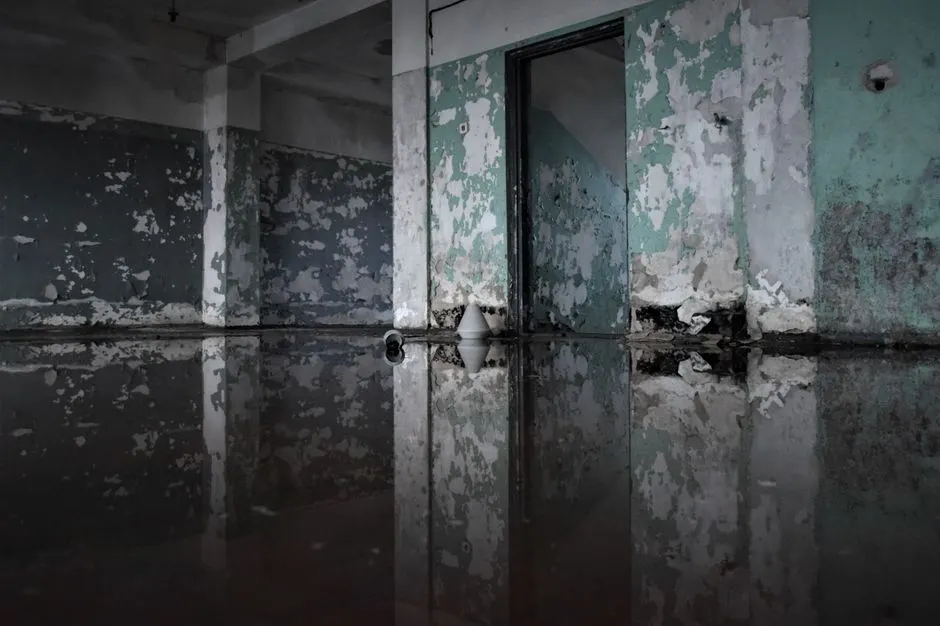
What mold remediation after water damage in Valley Village, California involves
Mold remediation after water damage in Valley Village, California is the process of containing, removing, and treating fungal growth that develops when a home stays wet longer than 24 to 48 hours. We start with moisture mapping using a moisture meter, thermal imaging camera, and hygrometer to find water you cannot see. Then we build a containment with plastic sheeting and zip wall barriers, run a negative air machine with HEPA filtration, and remove affected drywall, baseboard, and subflooring. Finally we apply an antimicrobial solution and dry the cavity to below 16 percent moisture content.
Most Valley Village calls come from the same handful of failures: a pipe burst under a 1940s bungalow, a water heater failure in a garage conversion, a slab leak that quietly soaks a hallway, or a roof leak after the first big storm. In homes built before 1978, we follow EPA Lead-Safe Certification practices before we cut into painted walls. If you are searching for mold remediation after water damage near me Valley Village California, our crews are already in the neighborhood, and we can usually schedule a same-day mold inspection after water damage Valley Village appointment.
Why Valley Village homeowners call us for mold cleanup
Mold does not wait for a convenient week. These are the outcomes our customers care about most after a leak, a flood, or a slow drip they did not catch in time.
Growth stopped fast
Mold can colonize a wet wall in 24 to 48 hours. We set containment and start extraction the same day we arrive, which keeps a 10-square-foot problem from becoming a 100-square-foot one. Our crews carry truck-mounted water extractors and portable units so we are not waiting on equipment.
Air you can trust
We run HEPA vacuums and negative air machines with HEPA filtration through the whole job, then verify with moisture readings before we pull containment. You get a documented dry standard, not a guess. That matters if you have kids, pets, or anyone with asthma in the house.
Insurance paperwork handled
We document every affected material with photos, moisture logs, and Xactimate line items your adjuster already recognizes. Customers searching for mold removal after water damage with insurance claim help Valley Village California often tell us the estimate was the easy part once we sent it over.
Rebuilt, not just dried
Removing moldy drywall leaves holes. We replace drywall, baseboard, and paint and primer so the room looks finished when we leave. One crew, one schedule, one point of contact from extraction through the final walkthrough.
Our mold remediation process, step by step
Every job follows the ANSI/IICRC S520 mold remediation standard and the ANSI/IICRC S500 water damage standard. Here is what you actually experience from the first phone call to the final walkthrough.
Inspection and scope
We arrive, ask what happened and when, then map the moisture with a moisture meter, thermal imaging camera, and bore scope camera. You get a written scope the same day, usually within two hours of arrival, with photos of every affected area and a clear price before any work starts.
Containment and air control
We seal the work area with plastic sheeting and zip wall barriers, then set a negative air machine with HEPA filtration so spores cannot travel to clean rooms. A HEPA vacuum handles settled dust. This step takes 30 to 60 minutes on a typical Valley Village bedroom or hallway.
Removal and extraction
Contaminated drywall, baseboard, and subflooring come out and get bagged. Standing water goes into a truck-mounted water extractor or portable water extraction unit. We cut back 12 to 24 inches past the visible growth so we are not leaving hidden spores behind the wall.
Treatment and drying
We apply an antimicrobial solution such as Concrobium or Benefect to the exposed framing and cavity, then run Dri-Eaz and Phoenix Restoration Equipment dehumidifiers and air movers. Drying typically takes three to five days. We check readings daily and adjust until the structure hits its dry standard.
Verification and rebuild
Before containment comes down, we confirm moisture content with a hygrometer and document the results. Then we replace drywall, baseboard, and paint and primer, and walk the room with you. Most jobs finish in seven to ten days from the first visit.
Four years of mold work in the San Fernando Valley
Water Damage Restoration Valley Village has been in business since 2022, and in four years we have handled hundreds of mold jobs across the east Valley, from slab leaks in Colfax Meadows to attic growth in Chandler Estates. Our technicians hold IICRC WRT, IICRC ASD, IICRC AMRT, and IICRC FSRT certifications, and we work under California State License Board (CSLB) C-61/D-38. We follow ANSI/IICRC S520 on every mold job and ANSI/IICRC S500 on the water side, because the two are inseparable. When a customer asks who is the best mold remediation company near me in Valley Village, we let the moisture logs and the finished rooms answer that.
- IICRC AMRT-certified technicians trained specifically in mold remediation, not just water extraction.
- EPA Lead-Safe Certification for pre-1978 homes common throughout Valley Village and Valley Glen.
- OSHA 10 and OSHA 30 trained crews for containment, demolition, and confined-space work.
- Direct insurance documentation using Xactimate, the estimating platform most adjusters already use.
- RIA Certified Restorer on staff for complex losses involving multiple rooms or crawl spaces.
Why our mold remediation after water damage in Valley Village stands out
Plenty of companies pump water. Fewer understand that mold is a separate problem with its own standard, its own containment rules, and its own verification step. We do both under one roof.
Same-day response
We answer the phone 24/7 and can usually be on site within 60 to 90 minutes anywhere in Valley Village. For 24/7 mold removal after water damage Valley Village calls, that window is the difference between a contained patch and a whole-room rebuild.
Containment done right
We build negative-pressure containments with zip wall barriers and plastic sheeting on every mold job, no exceptions. Air scrubbers with HEPA filtration run the entire time. That protects your kitchen, your bedrooms, and your kids' lungs while we work.
Documented dry standard
We do not guess when a wall is dry. Daily hygrometer readings, moisture meter checks, and thermal imaging confirm the structure is back to normal before we close anything up. You get the logs. Your adjuster gets the logs. Everyone sees the same numbers.
Affordable, upfront pricing
Customers looking for affordable mold remediation after water damage Valley Village California pricing get a written scope before we start, not a surprise invoice after. Small contained jobs often land between $1,200 and $3,500. We tell you which line items are necessary and which are optional.
What our mold remediation after water damage includes
Every job is scoped to the actual loss, but these are the standard inclusions on a Valley Village mold remediation after water damage project. If something is not needed, we tell you and take it off the estimate.
What's Included
Moisture mapping and inspection
We use a moisture meter, thermal imaging camera, hygrometer, and bore scope camera to find every wet pocket. You get photos and a written scope the same day, usually within two hours of arrival.
Containment and air scrubbing
Plastic sheeting, zip wall barriers, and a negative air machine with HEPA filtration keep spores out of your clean rooms. A HEPA vacuum handles settled dust before and after removal.
Removal of affected materials
Contaminated drywall, baseboard, subflooring, and insulation come out and get bagged. We cut 12 to 24 inches past visible growth so nothing hidden stays behind the wall.
Antimicrobial treatment
We apply an antimicrobial solution such as Concrobium or Benefect to exposed framing and cavity surfaces. This is the step that stops regrowth on the wood itself, not just the surface.
Drying and daily verification
Dri-Eaz and Phoenix Restoration Equipment dehumidifiers and air movers run for three to five days. We log moisture readings daily and do not pull containment until the structure hits its dry standard.
Rebuild and final walkthrough
We replace drywall, baseboard, and paint and primer, then walk the room with you. Most Valley Village jobs finish in seven to ten days from the first visit.
Problems we solve for mold remediation after water damage near me
Mold rarely shows up alone. It comes with a smell, a stain, an insurance question, and a timeline that keeps shrinking. Here is what we hear most from Valley Village homeowners.
Musty smell that will not go away after a leak
The odor means active growth somewhere you cannot see, usually inside a wall cavity or under flooring. Ignoring it lets the colony spread and the smell get worse.
We run a thermal imaging camera and bore scope camera to locate the source, then build containment and remove the affected material. Most customers notice the smell drop within 48 hours of treatment.
Black spotting along baseboards after a slab leak
Black mold remediation after water damage Valley Village jobs often start here. The spotting means the drywall and often the bottom plate are already contaminated.
We cut back 12 to 24 inches past the visible growth, remove the affected drywall and baseboard, treat the framing with antimicrobial solution, and dry the slab to below 16 percent moisture content.
Insurance claim stalled on documentation
Adjusters need photos, moisture logs, and line items in a format they recognize. Without that, the claim sits and the mold keeps growing.
We document everything with Xactimate line items, daily hygrometer readings, and dated photos. Customers looking for mold removal after water damage with insurance claim help Valley Village California tell us the estimate was the easy part once we sent it over.
Crawl space that stays damp all year
Valley Village homes with raised foundations trap humidity under the floor. That is a mold nursery, and it feeds odors and allergens into the living space above.
We remove affected joists and subflooring, HEPA vacuum the space, treat with antimicrobial solution, and install a vapor barrier where needed. We also correct the drainage or ventilation issue that caused it.
When Valley Village homeowners call us for mold work
A supply line failure under a 1950s Valley Village kitchen soaks the cabinet and wall overnight.
We extract standing water, open the toe kick and wall cavity, remove wet drywall and insulation, and treat the framing with antimicrobial solution. Drying equipment runs for three to four days.
The kitchen is dry, the mold never establishes, and the rebuilt wall matches the original paint and primer.
A water heater failure in a garage conversion leaves the floor wet for a week before anyone notices.
We map moisture with a thermal imaging camera, build containment, remove the affected baseboard and drywall, and run a negative air machine with HEPA filtration throughout.
The musty odor clears, moisture readings return to normal, and the tenant can move back into the space within a week.
A roof leak after a winter storm drips into the attic and stains the ceiling below.
We inspect the attic with a bore scope camera, remove affected sheathing and insulation, HEPA vacuum the space, and treat the framing. We also flag the roof repair so the leak stops.
The attic stays dry through the next rainy season, and the ceiling stain is repaired and repainted.
A toilet overflow sends Category 3 water under tile and into the subflooring.
We extract the water, remove the affected tile and subflooring, disinfect with antimicrobial solution, and dry the cavity. Sewage cleanup and mold prevention happen in one visit.
The bathroom is rebuilt in about ten days, and no mold growth appears in the following months.
Tools and methods we use on every mold job
Tools & Equipment
Moisture meter and hygrometer
Find hidden moisture and confirm when the structure has reached its dry standard. We log readings daily so you and your adjuster can see the progress.
Thermal imaging camera
Reveals temperature differences behind walls and under floors, which points to wet pockets the eye cannot see. Essential for slab leaks and ceiling leaks.
Bore scope camera and inspection camera
Lets us look inside wall cavities and attic framing without tearing everything open. We confirm growth before we cut.
Negative air machine with HEPA filtration
Keeps the containment under negative pressure so spores cannot travel into clean rooms. Runs for the entire job, not just during removal.
Truck-mounted water extractor and portable water extraction unit
Pulls standing water out of carpet, hardwood, and subflooring fast. The faster the water is out, the smaller the mold problem.
Dri-Eaz and Phoenix Restoration Equipment dehumidifiers and air movers
Dry the structure after extraction. We size the equipment to the room, not to a flat rate, so drying stays on schedule.
Concrobium and Benefect antimicrobial solution
Treats exposed framing and cavity surfaces after removal. These are the products we trust on wood, drywall, and subflooring.
Methods
ANSI/IICRC S520 mold remediation standard
The industry standard for mold work. It governs containment, removal, cleaning, and verification. We follow it on every job, which is why our documentation holds up with adjusters.
ANSI/IICRC S500 water damage standard
The companion standard for the water side. It defines dry standards, equipment sizing, and monitoring frequency. Mold work starts with water work done right.
Negative pressure containment with zip wall barriers
We seal the work area with plastic sheeting and zip wall barriers, then pull air through a HEPA-filtered negative air machine. This keeps spores out of your kitchen, bedrooms, and living areas.
HEPA vacuuming and wet wiping
Before treatment, we HEPA vacuum settled dust and wet wipe surfaces. Skipping this step just spreads spores around, so we never skip it.
Daily moisture verification with hygrometer
We log readings every day and adjust equipment until the structure hits its dry standard. Containment does not come down until the numbers say it is safe.
How mold remediation after water damage runs in Valley Village
Valley Village is an older neighborhood, and that shapes every mold job we run here. Most of the housing stock dates from the 1940s through the 1960s, which means galvanized supply lines, cast iron drains, and slab-on-grade construction in many blocks. Those pipes fail quietly. A slab leak under a hallway can soak the slab and the bottom plate of a wall for weeks before anyone notices a warm spot on the floor. When we open that wall, we almost always find mold. Winter rains bring roof leaks and ceiling leaks, especially on flat or low-slope roofs common in the area. Summer heat pushes attic temperatures past 140 degrees, which accelerates growth in any framing that stayed damp from a spring leak. We follow EPA Lead-Safe Certification practices on pre-1978 homes before cutting painted surfaces, and we build containment on every job, even small ones. If you need post water damage mold cleanup Valley Village work done right, we know the building stock and we know what to look for.
Service Areas
A mix of 1950s ranches and newer rebuilds. Slab leaks under original hallways are common, and we often find wet bottom plates behind baseboards.
Larger homes with more complex plumbing. Water heater failures and supply line failures in garages and utility rooms are frequent calls.
Many pre-1978 homes here, so EPA Lead-Safe practices apply before we cut into painted drywall. We test and contain accordingly.
Older homes with raised foundations and crawl spaces. Crawl space mold removal is a regular part of our work in this area.
Local Considerations
Slab-on-grade construction with aging pipes
Slab leaks soak the floor and the bottom of walls without visible standing water. We rely on thermal imaging and moisture meters to find them before mold spreads.
Winter rain and flat or low-slope roofs
Roof leaks and ceiling leaks drive most of our winter mold calls. We inspect the attic and the ceiling cavity before we treat anything below.
Summer attic temperatures above 140 degrees
Heat accelerates mold growth in any framing that stayed damp. A spring leak that seemed minor can turn into an attic mold job by August.
Pre-1978 housing stock
Painted surfaces may contain lead. We follow EPA Lead-Safe Certification practices before demolition, which adds a short prep step but protects your family.
Kitchen wall after a supply line failure
A supply line failure under a Valley Village kitchen sink soaked the cabinet, drywall, and bottom plate for two days before the homeowner noticed. Visible black spotting ran 18 inches up the wall, and the musty smell had reached the dining room.
We removed 24 inches of drywall and the affected baseboard, treated the framing with antimicrobial solution, and dried the cavity for four days. Moisture readings dropped from 28 percent to 11 percent. The wall was rebuilt and repainted in ten days.
Maintenance & Follow-up
Check under-sink cabinets monthly for drips, and replace braided supply lines every five years. A $15 line is cheaper than a mold job.
A slow roof leak dripped into a Studio City attic for most of a winter. Black spotting covered roughly 40 square feet of sheathing, and the insulation below was saturated. The homeowner noticed a stain on the ceiling below in March.
We removed the affected sheathing and insulation, HEPA vacuumed the space, treated the framing with Concrobium, and ran a negative air machine throughout. The roof was repaired, and the attic stayed dry through the next rainy season.
Maintenance & Follow-up
Inspect the attic twice a year, once before winter and once in spring. Look for dark streaks on sheathing and any insulation that feels damp.
A slab leak under a Colfax Meadows hallway fed moisture into the crawl space for weeks. Joists showed surface mold, and the smell was noticeable in the living room above. The homeowner had already called two other companies.
We removed the affected subflooring, HEPA vacuumed the joists, applied antimicrobial solution, and installed a vapor barrier. Moisture content in the joists dropped from 24 percent to 12 percent over five days.
Maintenance & Follow-up
Keep gutters clear and make sure the crawl space vents stay open. If you smell mustiness in summer, get it checked before the next rainy season.
How much does mold remediation after water damage cost in Valley Village California?
Most Valley Village mold jobs run $1,200 to $6,500 in 2026, depending on how much material has to come out. A single contained bathroom or hallway typically lands near the low end. A crawl space, attic, or multi-room loss pushes toward the high end. Insurance often covers the water damage portion, and we document everything with Xactimate line items so your adjuster can process it quickly.
How soon should mold remediation start after water damage in Valley Village?
Start within 24 to 48 hours. Mold can begin colonizing a wet wall in that window, and every extra day expands the affected area. If you can smell that musty odor or see discoloration along a baseboard, the growth is already active. We schedule same-day mold inspection after water damage Valley Village appointments whenever our crews are in the area.
Is mold removal after water damage covered by insurance in Valley Village California?
Usually yes, when the mold is the direct result of a covered water loss such as a pipe burst, supply line failure, or water heater failure. Most policies cap mold coverage at $10,000 unless you added an endorsement. We photograph affected materials, log moisture readings daily, and submit Xactimate estimates, which is the format most California adjusters prefer.
Can I stay in my home during mold remediation in Valley Village California?
Yes for most contained jobs. If we are working in one bathroom or hallway with a sealed containment and negative air machine running, you can stay in the rest of the house. For large losses, sewage backup, or black mold remediation after water damage Valley Village projects involving multiple rooms, we recommend staying elsewhere for two to four days while removal and treatment are underway.
Licensed, certified, and accountable
Certifications
Reviews
Called about a musty smell two weeks after a pipe burst. They found mold behind the baseboard with a thermal camera and had containment up the same afternoon. The moisture logs they sent to my insurance company were thorough. Job finished in eight days.
We had a water heater failure in a rental unit and the tenant was complaining about the smell. The crew was out within 90 minutes, extracted the water, and treated the wall with Concrobium. Fair price and no pressure to add services we did not need.
Attic mold from a roof leak. They explained the containment process, showed me the moisture readings each day, and did not disappear for a week like the last company. The attic has stayed dry through two rainy seasons now.
Related Services
flood restoration services
When a storm or burst pipe floods a Valley Village home, flood restoration services remove the water and prep the structure for mold work. We extract, dry, and document in one visit so mold never gets a foothold.
flood restoration servicesemergency water removal
Emergency water removal pulls standing water out of your floors within the first hours, which is the single best way to prevent mold. We run truck-mounted extractors and portable units 24/7 across Valley Village.
emergency water removalwater leak restoration
A slab leak or supply line failure can soak a wall for weeks before you notice. Water leak restoration finds the source, dries the cavity, and sets up the mold remediation after water damage in Valley Village, California that follows.
water leak restorationemergency water cleanup
Emergency water cleanup handles the wet-vac stage, the disinfectant, and the initial drying. It is the front half of mold prevention, and we often combine it with a same-day mold inspection after water damage Valley Village visit.
emergency water cleanupwater extraction
Water extraction with a truck-mounted water extractor removes hundreds of gallons fast. The faster the water is out, the smaller the mold job. We extract first, then assess whether remediation is needed.
water extractionwater damage mitigation
Water damage mitigation stops the spread: containment, air movers, dehumidifiers, and daily moisture checks. It is how we keep a 5-square-foot mold problem from becoming a 50-square-foot one.
water damage mitigationtoilet overflow cleanup
A toilet overflow sends Category 2 or 3 water under tile and into subflooring, which is prime mold territory. We extract, disinfect with antimicrobial solution, and dry before growth starts.
toilet overflow cleanupbasement flood cleanup
Basement flood cleanup in Valley Village often means sump pump failure or foundation leak water. We pump it out, dry the slab, and treat the walls before mold colonizes the lower framing.
basement flood cleanupwater damage restoration near me
If you are searching water damage restoration near me, we are already in the neighborhood. Our crews cover Valley Village, North Hollywood, and Studio City daily, so response times stay short.
water damage restoration near mewater cleanup services
Water cleanup services cover extraction, disinfectant, drying, and documentation. Every one of those steps reduces the odds that you will need post water damage mold cleanup Valley Village work later.
water cleanup services24-hour water restoration near me
Mold does not keep business hours, so neither do we. Our 24-hour water restoration near me line reaches a live dispatcher, and we can be on site within 60 to 90 minutes.
24-hour water restoration near mewater extraction company
As a water extraction company, we own the equipment rather than renting it. That means no waiting on a rental yard and no delay that lets mold start growing in your walls.
water extraction companyrapid water extraction
Rapid water extraction is the first 24 hours done right. We pull water, set drying equipment, and take baseline moisture readings that later guide the mold remediation after water damage in Valley Village, California scope.
rapid water extractionkitchen water damage repair
A dishwasher leak or supply line failure under a sink soaks cabinets and toe kicks. Kitchen water damage repair dries those hidden cavities, which is where mold usually starts.
kitchen water damage repairceiling water damage repair
A roof leak or ceiling leak stains the drywall and soaks the insulation above it. Ceiling water damage repair opens the cavity, dries it, and treats it before mold spreads into the attic.
ceiling water damage repairsewage cleanup
Sewage backup is Category 3 water and always requires antimicrobial treatment. Sewage cleanup plus mold remediation after water damage in Valley Village, California is a common combined job for us.
sewage cleanupcrawl space mold removal
Crawl space mold removal is its own discipline: containment, HEPA vacuuming, antimicrobial treatment, and often a vapor barrier. Valley Village homes with raised foundations see this more than most.
crawl space mold removalattic mold remediation
Attic mold remediation follows roof leaks and poor ventilation. We remove affected sheathing, treat the framing, and correct the moisture source so the growth does not return next winter.
attic mold remediationwater damage remediation after fire
Firefighting water soaks framing and insulation, and mold can follow within days. Water damage remediation after fire combines drying, odor control, and mold prevention in one scope.
water damage remediation after fireGet mold remediation after water damage in Valley Village, California today
Every hour a wet wall stays wet, the mold spreads further. Call (833) 321-7153 and we will schedule a same-day inspection, give you a written scope, and start containment before the problem grows. Licensed, IICRC-certified, and local to the east Valley.