Attic mold remediation in Valley Village, California
We find the moisture source, kill the mold, and restore your attic.
attic mold remediation in Valley Village, California starts with finding the water that fed the growth, not just spraying the stains. Our IICRC-certified crew handles attic mold removal Valley Village homeowners call about after roof leaks, HVAC condensation, and winter storms. We test, contain, treat, and verify so your attic air is safe again.
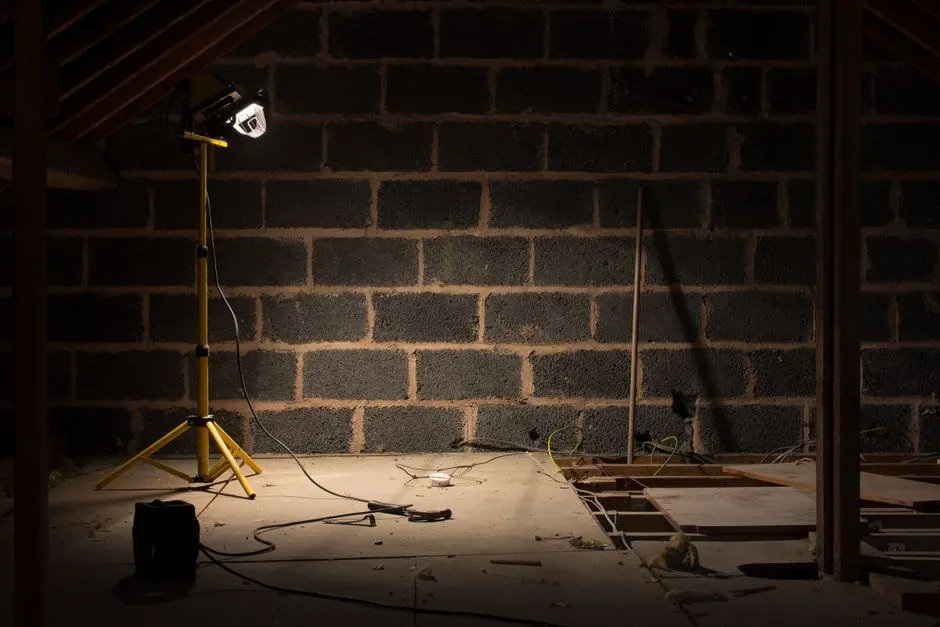
What attic mold remediation in Valley Village, California involves
Attic mold remediation in Valley Village, California is the process of locating the moisture source, containing the affected area, removing contaminated insulation and porous materials, and treating the remaining structure with antimicrobial products. We use moisture meters, hygrometers, and thermal imaging cameras to map where water is hiding behind rafters and under insulation. Then we set up negative air machines with HEPA filtration so spores do not drift into your living space while we work.
Most Valley Village attics we open have the same story: a roof leak or ceiling leak that went unnoticed until the smell hit the hallway. Valley summers push attic temperatures past 130 degrees Fahrenheit, and that heat bakes moisture into the wood, feeding mold fast. If you have been searching for attic mold remediation near me in Valley Village California after a storm, we can be on site the same day to stop the spread and start drying.
Why Valley Village homeowners call us first
Attic mold does not stay in the attic. It travels through HVAC returns, stains ceilings, and eats away at the wood your roof depends on. Here is what changes once we finish.
Odor gone at the source
Musty smells come from active growth, not old stains. We remove the colonized insulation and treat the framing with Fiberlock and Concrobium antimicrobials, then run an ozone generator for stubborn odors. Most customers notice the difference within 24 hours of our final walkthrough.
Structural wood protected
Mold digests the cellulose in roof sheathing and rafters. Left alone, that rot can cost thousands in framing repairs. Our attic mold treatment Valley Village service removes growth early, then we apply a fungicidal coating that shields the wood for years.
Air quality for your family
Spores cycle from the attic into bedrooms through gaps around recessed lights and ductwork. We seal those pathways with zip wall containment and negative air pressure, then verify with post-remediation air sampling so you know the count dropped before we pack up.
Insulation replaced right
Wet insulation is mold food. We pull contaminated batts, bag them, and install new thermal insulation to the correct R-value for this climate. That also lowers your summer cooling bill, which matters when attic temps hit triple digits.
Our attic mold remediation process, step by step
Every job follows the ANSI/IICRC S520 mold remediation standard. You get a written scope, a fixed price before we start, and photo documentation at every stage.
Inspection and testing
We inspect the attic with a bore scope camera and thermal imaging camera to find the moisture source and map the spread. Air and surface samples go to a third-party lab. This takes 60 to 90 minutes, and you get the lab results within 24 to 48 hours.
Containment setup
We build a zip wall barrier at the attic access and run a negative air machine with HEPA filtration so spores cannot escape into your home. Plastic sheeting covers floors and belongings below. Setup usually takes under an hour on a typical Valley Village ranch home.
Removal and HEPA cleaning
Contaminated insulation, drywall, and debris get bagged and removed. Every exposed surface is HEPA vacuumed, then wiped with antimicrobial solution. We use DeWalt and Milwaukee tools because they hold up in tight attic spaces where you are crawling on joists.
Treatment and drying
Framing gets treated with Concrobium or Fiberlock, then we place air movers and a Dri-Eaz dehumidifier to bring wood moisture content below 16 percent. Drying typically runs 2 to 4 days depending on how long the leak was active.
Verification and rebuild
Post-remediation air sampling confirms spore counts are back to normal. We replace insulation, reinstall any removed drywall, and hand you a clearance report plus photos. Most full jobs wrap in 3 to 6 days.
Four years of hands-on mold and water work
Water Damage Restoration Valley Village has been serving this area since 2022, and in four years we have completed hundreds of attic and crawl space projects across the San Fernando Valley. Our technicians hold IICRC WRT, ASD, AMRT, and FSRT certifications, and we work under California State License Board C-61/D-38 classifications. We follow ANSI/IICRC S500 and S520 on every job, carry EPA Lead-Safe Certification for pre-1978 homes, and maintain OSHA 10 and OSHA 30 safety training. That matters when we are crawling through 130-degree attics with power tools.
- IICRC AMRT-certified technicians who specialize in mold remediation, not general handyman work
- EPA Lead-Safe certified for older Valley Village homes built before 1978
- Xactimate-trained estimators who document claims the way insurance adjusters expect
- Full containment and negative air setup on every job, no shortcuts on small attics
- Direct insurance billing and photo documentation from inspection through clearance
Why our attic mold remediation in Valley Village stands apart
Plenty of companies will spray bleach and call it done. We fix the moisture problem, remove the food source, and prove the air is clean before we leave.
Same-day response
Call before noon and we can usually have a technician at your door the same day. For active leaks feeding attic mold, that speed limits how far the growth spreads and how much insulation you have to replace.
Lab-verified clearance
We do not guess. Post-remediation air sampling through an independent lab confirms spore levels are normal before we remove containment. You get the report in writing, which also helps if you ever sell the house.
Insurance claim support
Our attic mold cleanup Valley Village California team documents every affected area with photos, moisture readings, and Xactimate line items. We have worked enough claims to know what adjusters ask for, which speeds up approval.
Affordable attic mold remediation Valley Village pricing
You get a written scope and fixed price before work starts. No surprise add-ons, no hourly creep. Most attic jobs fall in a predictable range because we price by square footage and contamination level, not by how long the crew stays.
What our attic mold remediation service includes
Every attic mold remediation in Valley Village, California job includes inspection, containment, removal, treatment, drying, and verification. Rebuild work like drywall replacement and insulation installation is quoted separately when needed, and we tell you upfront what falls outside the base scope.
What's Included
Full attic inspection
We inspect with a moisture meter, hygrometer, thermal imaging camera, and bore scope camera to find the moisture source and map every affected area. You get photos and a written summary the same day.
Containment and HEPA filtration
Zip wall barriers, plastic sheeting, and negative air machines with HEPA filtration keep spores out of your living space during removal. We verify negative pressure before any material is disturbed.
Contaminated material removal
Moldy insulation, drywall, and debris get bagged and hauled away. We HEPA vacuum every exposed surface afterward so no loose spores remain on the framing.
Antimicrobial treatment
Framing and sheathing get treated with Fiberlock or Concrobium antimicrobial solution, then a fungicidal coating goes on the wood to prevent regrowth. This is the step most cheap jobs skip.
Structural drying
Air movers and a Dri-Eaz dehumidifier bring wood moisture content below 16 percent. We monitor daily with a moisture meter and do not close up until readings hold steady.
Post-remediation verification
Independent lab air sampling confirms spore counts are back to normal. You receive the clearance report and photo documentation, which is useful for insurance and future home sales.
Attic mold problems we solve in Valley Village
Most attic mold traces back to one of a handful of moisture sources. Here are the ones we see most often in this area, and what happens if they are ignored.
Roof leak staining sheathing near the ridge
Water keeps feeding the growth every time it rains, and the mold spreads across the entire roof deck within a few months.
We locate the leak with a thermal imaging camera, document the affected sheathing, remove the mold, and treat the wood. Then we tell you exactly what the roofer needs to fix so the problem does not return.
HVAC condensation dripping into insulation
Insulation stays damp year-round, which is ideal for mold. The smell cycles into bedrooms every time the AC runs.
We trace the condensation line, remove the wet insulation, and treat the surrounding framing. Our technicians also check the drain pan and ductwork for secondary growth before we close up.
Ceiling leak from a supply line failure above
Water pools on the attic side of the drywall and soaks the joists. By the time you see the stain, mold has been growing for weeks.
We open the affected ceiling, dry the cavity with air movers, and treat the joists. If the leak originated from plumbing, we coordinate the repair so the moisture source is gone before we finish.
Musty odor with no visible mold
Hidden growth behind insulation or in wall cavities keeps releasing spores, and allergy symptoms get worse every month.
We use a bore scope camera and air sampling to find growth that is not visible. Once located, we contain, remove, and treat it the same way we handle visible mold.
When to call for attic mold remediation
You had a roof leak last winter and now smell something musty upstairs in Valley Village.
We inspect the attic with a moisture meter and thermal imaging camera, confirm whether the leak is still active, and treat any growth we find. If the roof still leaks, we document it so your roofer can fix it before we close up.
Clean attic air, treated framing, and a written report you can hand to your roofer or insurance carrier.
Your home inspection before selling turned up mold on the attic sheathing.
We provide a full remediation with lab-verified clearance so the buyer's lender and inspector accept the fix. Photo documentation and the clearance report go straight into the escrow file.
A cleared inspection, a documented paper trail, and a sale that does not stall on mold findings.
A pipe burst in the wall above your kitchen and soaked the ceiling and attic insulation.
We extract standing water, dry the structure, and remove any insulation that stayed wet. Then we treat the framing and verify with air sampling before replacing the insulation.
No mold growth, restored insulation, and a dry attic that stays dry through the next rainy season.
You are searching for affordable attic mold remediation Valley Village after a storm.
We give you a fixed written price after inspection, based on attic square footage and contamination level. No hourly billing, no surprise add-ons, and we bill insurance directly when the cause is covered.
A predictable cost, a fixed scope, and a finished job with lab-verified clearance.
Tools and methods we use on every job
Tools & Equipment
Thermal imaging camera
Finds temperature differences that reveal hidden moisture behind sheathing, insulation, and ceiling drywall. It is how we locate leaks you cannot see.
Moisture meter and hygrometer
Measures wood moisture content and relative humidity so we know exactly when the structure is dry and safe to close up.
Bore scope camera
Lets us look inside wall cavities and behind insulation without tearing everything open. We use it to confirm growth that air sampling flags.
Negative air machine with HEPA filtration
Maintains negative pressure inside containment so spores cannot drift into your living space during removal.
Dri-Eaz dehumidifier and air movers
Pulls moisture out of framing and insulation after treatment. Drying typically runs 2 to 4 days depending on how long the leak was active.
Ozone generator
Neutralizes stubborn musty odors after removal when antimicrobial treatment alone does not fully clear the smell.
Fiberlock and Concrobium antimicrobials
Treat the remaining framing and leave a fungicidal coating that resists regrowth for years.
Methods
ANSI/IICRC S520 mold remediation standard
This is the industry standard for assessing and remediating mold. It governs containment, removal, cleaning, and verification, and we follow it on every attic job regardless of size.
ANSI/IICRC S500 water damage standard
S500 defines how we dry the moisture source that fed the mold. Following it means we dry to verified readings instead of guessing when the structure is ready.
Negative pressure containment
We build zip wall barriers and run HEPA-filtered negative air machines so the attic stays under pressure. That keeps spores from migrating into bedrooms and hallways during removal.
Post-remediation air sampling
An independent lab compares indoor and outdoor spore counts after we finish. If the numbers do not clear, we keep working at no extra charge until they do.
How attic mold remediation runs in Valley Village
Valley Village sits in a pocket of the San Fernando Valley where summer attic temperatures regularly climb past 130 degrees Fahrenheit, and that heat accelerates mold growth once moisture is present. Most of the housing stock here was built between the 1940s and 1960s, with low-pitch roofs, minimal attic ventilation, and original insulation that holds moisture like a sponge. Winter rains in 2025 and early 2026 drove a wave of roof leaks and ceiling leaks across the neighborhood, and we are still finding the mold those storms left behind. When we run attic mold removal with insulation replacement Valley Village jobs, we always check ventilation first, because adding a ridge vent or improving soffit airflow is often what keeps the mold from coming back. We also follow California State License Board C-61/D-38 requirements and pull permits when structural work is involved, so the job is documented for future inspections or sales.
Service Areas
Many homes here have original 1950s attic insulation that traps moisture from roof leaks. We replace it with modern batts rated for this climate.
Larger ranch homes with multiple attic zones. We set up separate containment areas so each zone is treated and verified independently.
Newer additions often have HVAC equipment in the attic, which means condensation lines are a common mold source. We check them on every inspection.
Hillside homes here see more roof leaks after heavy rain because of tree debris and drainage issues. We document the leak source for your roofer.
Local Considerations
Summer attic temperatures above 130 degrees Fahrenheit
Heat speeds up mold growth and makes attics unsafe to work in for long stretches. We schedule summer jobs early in the morning and rotate crews to stay within OSHA heat limits.
Winter rain events that drive roof and ceiling leaks
Most attic mold we find traces back to a leak from the previous rainy season. We prioritize inspections in the weeks after a storm because early treatment saves insulation.
Aging 1940s to 1960s attic insulation
Old insulation holds moisture and loses R-value once it gets wet. We replace it as part of the job so the attic stays dry and energy-efficient.
Low-pitch roofs with limited ventilation
Poor airflow keeps humidity trapped in the attic. We recommend ventilation improvements after remediation to prevent the mold from returning.
Roof leak mold in a 1952 ranch home
A slow roof leak had been dripping onto the sheathing for two winters. Roughly 400 square feet of the attic had visible black mold, and the insulation was saturated and sagging. The homeowner noticed a musty smell in the upstairs hallway.
We removed 400 square feet of contaminated insulation, HEPA vacuumed and treated the sheathing with Fiberlock, and dried the framing to below 16 percent moisture content. Post-remediation air sampling cleared on the first try. Total job time was five days.
Maintenance & Follow-up
The homeowner had a roofer replace three cracked shingles and added a ridge vent. We recommend an annual attic inspection each fall before the rainy season starts.
A clogged condensate drain had been dripping into the attic insulation for months. Mold covered the framing around the air handler, and the smell cycled into two bedrooms every time the AC ran. The homeowner had allergy symptoms that worsened at night.
We contained the area, removed the wet insulation, treated the framing with Concrobium, and cleaned the drain pan and ductwork. Air sampling after remediation showed spore counts matched outdoor baseline. The job wrapped in three days.
Maintenance & Follow-up
We showed the homeowner how to check the condensate drain monthly and recommended a float switch so the system shuts off if the line clogs again.
Heavy winter rain pushed water through a failing roof valley and into the ceiling below. The attic insulation was soaked across roughly 250 square feet, and mold had started on the joists. The homeowner called us after finding a brown stain on the ceiling.
We extracted standing water, removed the wet insulation, dried the joists with air movers and a Dri-Eaz dehumidifier, and treated the wood with antimicrobial solution. New insulation went in on day five, and the clearance report came back clean.
Maintenance & Follow-up
The homeowner scheduled a roof inspection each October and added gutter guards to keep debris from backing water up under the shingles.
How much does attic mold remediation cost in Valley Village California?
Most attic mold jobs in Valley Village run $1,200 to $4,500 in 2026, depending on attic size and how much insulation has to be replaced. Small surface growth on rafters might land near $1,200, while a full attic with contaminated insulation and rotted sheathing pushes toward the top of that range. We give you a fixed written price after inspection, so you know the number before we start.
How do I know if I have mold in my attic in Valley Village?
The three signs we hear most are a musty smell in upstairs hallways, dark staining on roof sheathing near the ridge, and allergy symptoms that get worse when the AC runs. If you had a roof leak or ceiling leak in the past year, assume moisture reached the attic. A moisture meter and thermal imaging camera confirm it in under 90 minutes.
Do you offer 24/7 attic mold removal near me in Valley Village California?
Yes. We answer the phone around the clock at (833) 321-7153, and we can schedule emergency containment the same day when an active leak is still feeding the growth. For non-emergency attic mold removal Valley Village jobs, we usually book inspections within 24 hours. Nights and weekends are fine.
Does insurance cover attic mold remediation in Valley Village California?
It often does when the mold traces back to a covered event like a pipe burst, supply line failure, or storm-driven roof leak. Long-term neglect or humidity alone usually is not covered. We document the moisture source with photos and readings, then bill the carrier directly so you are not fronting the full cost.
Licensed, certified, and documented
Certifications
Reviews
Found mold across our attic sheathing after a roof leak. They contained everything, replaced the insulation, and had the lab report back in four days. The technician walked me through the photos and explained what the roofer needed to fix.
Called them on a Sunday after water from a burst pipe reached our ceiling. They were at the house within two hours, set up drying equipment, and came back to handle the attic mold once everything was dry. Fair pricing and no pressure.
We used them for attic mold removal before selling our house. The clearance report satisfied the buyer's inspector on the first pass, and the escrow closed on schedule. Professional crew, clean work area, clear communication.
They identified an HVAC condensation leak that two other companies missed. Treated the framing, replaced the wet insulation, and verified with air sampling. The musty smell in our hallway is completely gone.
Related services we provide
flood restoration services
When a storm or burst pipe floods your home, water wicks into walls and ceilings and can reach the attic within days. Our flood restoration services dry the structure fast, which prevents the moisture that feeds attic mold growth.
flood restoration servicesemergency water removal
Standing water left overnight raises indoor humidity and pushes vapor upward into the attic. Emergency water removal pulls that water out with truck-mounted extractors before it ever becomes an attic mold problem.
emergency water removalmold remediation after water damage
Attic mold is usually the last stage of a water damage event that started lower in the house. Our mold remediation after water damage service handles the full chain, from drying the source to treating the attic growth it caused.
mold remediation after water damagewater leak restoration
A slow supply line failure or ceiling leak can drip for weeks before you notice staining. Water leak restoration finds the source, repairs the line, and dries the framing so attic mold never gets a chance to colonize.
water leak restorationemergency water cleanup
Every hour of standing water raises the odds of mold in the attic and crawl space. Emergency water cleanup removes the water, sets drying equipment, and stabilizes humidity so spores cannot take hold.
emergency water cleanupwater extraction
Water extraction with portable and truck-mounted units pulls hundreds of gallons out of carpets and subflooring. Fast extraction keeps indoor humidity low, which is the single best defense against attic mold growth.
water extractionwater damage mitigation
Water damage mitigation stops the spread before it reaches the attic. We seal off wet zones, run dehumidifiers, and monitor moisture daily so secondary mold growth never starts.
water damage mitigationtoilet overflow cleanup
A toilet overflow can send water through the ceiling below and into wall cavities. We clean, disinfect, and dry those spaces so the moisture does not migrate upward and trigger attic mold.
toilet overflow cleanupbasement flood cleanup
Basement flooding raises whole-house humidity, and that vapor rises. Basement flood cleanup removes the water and dries the air, which protects the attic from the condensation that feeds mold.
basement flood cleanupwater damage restoration near me
If you searched for water damage restoration near me after a leak, we handle the whole job: extraction, drying, and any attic mold remediation that follows. One crew, one invoice, one point of contact.
water damage restoration near mewater cleanup services
Our water cleanup services cover extraction, sanitizing, and structural drying. Clean, dry framing is the foundation that keeps attic mold from returning after a leak.
water cleanup services24-hour water restoration near me
Water does not wait for business hours, and neither do we. Our 24-hour water restoration near me line dispatches a crew any time, which limits how much moisture reaches your attic.
24-hour water restoration near mewater extraction company
As a dedicated water extraction company, we remove water fast with Dri-Eaz and Phoenix equipment. Fast extraction is the first line of defense against the humidity that causes attic mold.
water extraction companyrapid water extraction
Rapid water extraction within the first 24 hours dramatically lowers the odds of mold anywhere in the house, including the attic. We prioritize speed because drying windows are short.
rapid water extractionkitchen water damage repair
Dishwasher leaks and supply line failures under kitchen sinks send water into walls and floors. We repair and dry those areas before moisture migrates up into the attic.
kitchen water damage repairceiling water damage repair
Ceiling water damage repair often uncovers the same roof leak that fed your attic mold. We fix the ceiling, dry the cavity, and treat any mold we find above it.
ceiling water damage repairsewage cleanup
Sewage backup introduces bacteria and heavy moisture. Sewage cleanup includes disinfection and drying that keeps contaminated humidity from rising into the attic.
sewage cleanupcrawl space mold removal
Crawl space mold removal and attic mold remediation often go together, because both spaces share the same stack effect. Fixing one without the other usually means the mold comes back.
crawl space mold removalwater damage remediation after fire
Firefighting water soaks insulation and framing, and that moisture often ends up in the attic. Water damage remediation after fire dries those spaces so mold never gets started.
water damage remediation after fireGet attic mold remediation in Valley Village, California today
Mold doubles in coverage roughly every 48 hours when moisture is still present. Call (833) 321-7153 and we will schedule an inspection, give you a fixed price, and start containment the same day when needed. IICRC-certified, licensed, and insured.